Business Name: BeeHive Homes of St George Snow Canyon
Address: 1542 W 1170 N, St. George, UT 84770
Phone: (435) 525-2183
BeeHive Homes of St George Snow Canyon
Located across the street from our Memory Care home, this level one facility is licensed for 13 residents. The more active residents enjoy the fact that the home is located near one of the popular community walking trails and is just a half block from a community park. The charming and cozy decor provide a homelike environment and there is usually something good cooking in the kitchen.
1542 W 1170 N, St. George, UT 84770
Business Hours
Monday thru Saturday: 9:00am to 5:00pm
Facebook: https://www.facebook.com/Beehivehomessnowcanyon/
Families generally start looking for dementia care under pressure. A parent wanders outside during the night, a spouse forgets the stove again, or medication schedules end up being impossible to manage. When seriousness rises, glossy brochures and warm trips can be convincing. The job, hard as it is, is to look past the welcome cookies and discover how a location genuinely operates at 10 p.m. On a Sunday, not just throughout a Tuesday early morning tour.

I have strolled lots of hallways in memory care and assisted living neighborhoods, from shop residences with fewer than 20 beds to large schools that handle every level of senior care. The best centers are not best. They repair problems quickly, inform the fact, and document well. The worst keep a good lobby and conceal the rest. What follows are the warning signs that matter most and how to spot them before you sign.
The first 10 minutes inform you more than you think
The opening minutes of a visit typically foreshadow what life will feel like day after day. See who welcomes you. If the receptionist is missing, and a care assistant looks stunned to see you, it can suggest the front desk is understaffed. Take in the noises. A calm hum is regular. Relentless yelling from the very same voice throughout several visits recommends unmet discomfort or distress, not just a "challenging resident."
Smells provide honest feedback. A faint disinfectant odor is normal. A strong, sweet odor of urine in numerous locations points to slow reaction times, poor incontinence assistance, or both. Also observe how quickly someone responds to a call light. On a recent unannounced evening visit, it took 19 minutes for a light to be answered, which resident mainly needed assistance to the bathroom. That delay can equate to falls and skin breakdown over time.
Staffing patterns you can verify
Staffing makes or breaks dementia care. Ratios are typically marketed loosely. Ask particularly about direct care personnel to resident ratios during days, evenings, and nights, and whether the nurse on duty covers the whole structure or simply memory care. A common pattern is 1 assistant to 6 to 8 homeowners throughout the day in devoted memory care, 1 to 8 to 10 in the evening, and 1 to 12 or more overnight. Lower ratios can still be safe if locals are greater operating, however in practice, greater acuity demands more eyes and hands.
Red flags: dependence on company staff for more than short bursts, aides who do not understand homeowners by name, and a nurse who is only "on call." Agency staff have their location, yet regular usage, week after week, destabilizes regimens. Individuals living with dementia need consistency to feel safe. View a shift change if you can. Excellent handoffs seem like a quick but focused exchange about hydration, pain, toileting, and any habits modifications. Bad handoffs are quiet clock punches.
Training that surpasses a binder
Almost every center declares "ongoing training." What matters is who teaches it, how often, and whether strategies show up on the flooring. Ask how many hours of dementia-specific training brand-new aides get before solo work. 10 to 20 hours of structured dementia care instruction, plus watching, is a sensible baseline. Request for examples: how do they approach a resident who resists bathing, or one who sets out when startled?
Listen for methods with names and muscle behind them: validation treatment, Montessori-based activities for dementia, positive physical approach. You do not require the textbook meanings. You want to see practices in action. If someone approaches a resident from behind or startsleads with "We need to take your pills now," that is a training failure. If staff kneel to eye level, use the individual's favored name, and frame options merely, that is training that stuck.
Care plans that live off the screen
A good care strategy is not simply an electronic file. It needs to be visible in the rhythm of the day. Ask to see a sample care strategy, with names redacted. Strong strategies describe triggers and successful techniques. "Prefers tea before tablets" or "Wanders midafternoon, reroutes well with folding towels." Weak strategies check out like design templates: "Help with ADLs. Provide activities."
I when consulted for a memory care system where a previous accounting professional paced daily around 3 p.m., distressed till supper. The team kept using crafts. Absolutely nothing stuck. When his daughter discussed he used to reconcile the checkbook at that hour, staff attempted a simple journal job with large-print numbers. His pacing dropped, and so did evening agitation. That kind of customization ought to show up in care strategies, and you must hear about it when you ask.
Behavior assistance that is not just medication
Every memory care neighborhood will come across exit-seeking, refusing care, or hostility. How a group responds says a lot about its approach. Initially, ask how typically the center uses as-needed antipsychotic medications, and how they track negative effects like sedation or falls. Antipsychotics can be proper in minimal situations, but when an unit uses them broadly as habits control, you will see sleepy locals dropped in chairs and less spontaneous conversations.
Look for a consistent process: rule out pain, health problem, constipation, or urinary system infection, adjust environment triggers like sound or lighting, and use known convenience activities before adding or increasing medications. Request a story of a challenging behavior in the last month and how it was managed. If the answer focuses only on prescriptions, and not the investigator work that ought to come first, be wary.
Health and security are practices, not posters
Posters promise infection control. Routines deliver it. Peek discretely at hand health. Do staff wash or sterilize on entry and exit from spaces? Do gloves come off instantly after care tasks? Throughout a respiratory infection season, are there clear cohorting strategies, and have they practiced them? A center that managed break outs well in the past will know dates and lessons discovered. Vague responses or defensiveness around past infections typically foreshadow bad transparency.
Falls happen in dementia care. What matters is response. Ask the number of witnessed versus unwitnessed falls happened in the last 3 months in memory care, and what the leading 2 causes were. Ask what ecological changes followed. Carpets got rid of, better lighting, or raised toilet seats are concrete fixes. If you hear "We in-service 'd personnel" with no particular follow up, that is not enough.
Medication management without shortcuts
The med pass is among the most error-prone times of the day. Watch if you can. Are medications prepared for one resident at a time, or do you see multiple cups pre-poured and lined up? The latter invites mix-ups. Ask how often they carry out medication reconciliation with the main clinician and pharmacy, and whether they track refusals. In dementia care, rejections prevail. Skilled teams have techniques like offering one pill at a time with pudding, spacing dosages somewhat, or pairing pills with a recognized pleasant routine.
Red flag patterns consist of frequent medication "losses," opioids that disappear without documentation, and a high rate of late or missed dosages. An honest center will share mistake rates and the restorative actions they took. Beware if you are told "We do not have mistakes." Every great team finds and repairs them.
Activities that match cognitive ability and individual history
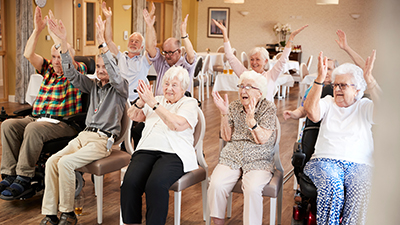
A lively activities calendar looks remarkable on paper. What you need to see is engagement during off hours and tailoring by capability. Individuals in moderate dementia can still enjoy purpose, however not if the job is too complex or too childish. Try to find sorting, music, gentle exercise, and quick group interactions. If you ask what Mr. Sanchez likes to do and the activity director answers, "He likes boleros, we play Eydie Gormé with Los Panchos during his shave," you remain in good hands. If you hear, "We place on the tv after lunch," keep your guard up.
Walk the structure midafternoon. Are locals dozing dropped in typical locations day after day, or moving through short, structured activities? If you see personnel engaged one on one, even briefly, that signals a culture of connection, not simply schedule fulfillment.
Dining that appreciates self-respect and hydration
Meal times can be disorderly or deeply reassuring. Red flags include trays dropped and run, purees without description, and locals delegated consume alone when they might join a little table. Lots of people with dementia consume much better when food is finger friendly, and when visual contrast helps them see it. White fish on white plates, for instance, tends to vanish. Ask if they track weight weekly for new homeowners, then a minimum of regular monthly, and what the normal unexpected weight loss rate is. Anything above 5 percent in a month requires timely attention.
Hydration typically makes or breaks the day. Great memory care programs do drink rounds with purpose, using options and pairing drinks with a short social interaction. If you see citizens with consistently dry lips, or if staff can not discover a resident's cup or discuss a fluid plan, that is worth digging into.
Safe spaces that do not feel like warehouses
You do not want hotel chic. You want an environment your loved one can check out. Hallways need to have landmarks, not mirror-image doors that puzzle even staff. Signs needs large font styles and images. Lighting ought to be even, not dim corners with an extreme glare at the nurses' station. Listen to the door chimes. If they are constant, and staff seem numb to the noise, that alarm fatigue will contaminate other safety routines.
Private rooms versus shared spaces is a compromise. Private spaces preserve privacy and frequently minimize agitation. Shared rooms cost less, and for some extroverted citizens, friendship helps. The warning with shared spaces is personal privacy theater: thin curtains, no genuine storage distinction, and personnel who get in without knocking. Whether personal or shared, bathrooms need grab bars positioned where a person with poor depth perception can intuitively discover them.
Safety without restraint
Freedom of motion matters. Ask outright if the community utilizes physical restraints, and under what circumstances. The best response is that they do not, other than in really uncommon, time-limited, scientifically documented situations. Lap belts in wheelchairs, tucked sheets, or deep reclining chairs utilized to avoid standing are restraints by another name. So are locked "wander gardens" that are rarely opened. An authentic safe garden needs to be offered day-to-day in sensible weather condition, with seating, shade, and an easy walking loop.
Electronic monitoring, like wearable wander tags, can be handy if used respectfully. Warning consist of personnel relying on door alarms rather of engaging residents who are exit-seeking, or families being pressed into keeping an eye on gadgets without discussion of alternatives.
Family interaction that does not wait on a crisis
You should become aware of condition modifications before you need to ask. A routine weekly touch point, even ten minutes by phone, goes a long way. Ask what the standard is for notifying you about falls, brand-new medications, medical facility transfers, or habits changes. If you are told "We require everything," ask for examples. Too many calls can indicate panic or absence of triage, however silence breeds mistrust.
Pay attention to how the group deals with disagreement. If you question a brand-new medication and the nurse responds with, "The physician purchased it, there is nothing to go over," that rigidness does not serve anybody. You want a facility where your knowledge of the individual is treated as know-how, because it is.
Costs, contracts, and the small print that bites
Pricing in dementia care looks straightforward up until it is not. Numerous facilities estimate a base rate, then layer on care levels or point systems for assistance with bathing, dressing, toileting, medication management, and behavior tracking. Request a composed example of a monthly expense for somebody with requirements similar to your loved one, consisting of 2 or 3 common add-ons. Clarify what occurs financially if care needs increase quickly. Is there a cap to the level system, beyond which your loved one need to relocate to a higher setting?
Watch for move-in charges that do not purchase anything tangible, and for "community fees" that are nonrefundable even if the stay lasts only a few days. Check out the discharge stipulations. Some contracts enable the facility to release with short notice for "security" factors without a clear process. A well balanced contract defines the steps for evaluating risk, including supports, and including family and clinicians before kicking out a resident.
Licensing, inspections, and complaints data you can in fact use
Every state regulates assisted living and memory care in a different way. Still, you can typically discover current assessments online. You are not searching for zero citations. You are trying to find patterns. Repeated citations for medication errors, persistent understaffing, or failure to report events matter more than a single shortage about a damaged grab bar.
Call your state's long-term care ombudsman. They are often happy to share broad impressions and patterns without breaching privacy. Once again, the theme is transparency. A center that motivates you to examine public data is less likely to conceal surprises.
Respite care as a low-risk trial
If you are not prepared for a long-term relocation, inquire about respite care stays that last a week or two. Respite care lets you see how a location carries out beyond the staged tour, and it offers your loved one an opportunity to adjust. Pay attention to the 2nd or third day of a respite stay. After the welcome energy fades, regimens show their true shape. If personnel preserve engagement and interact with you, that bodes well for a longer placement.
Some families turn between home and respite care to manage caretaker burnout. That can work if the center files thoroughly and keeps a steady plan ready to reboot. The warning in respite plans is bad handoff back to home. If your loved one returns more confused, dehydrated, or with brand-new bruises without a clear description, reassess that community.
When a location does not need to be perfect to be right
Perfection is not the objective. A place that calls you about little modifications, senior care Beehive Homes of St George - Snow Canyon provides options, and welcomes feedback will serve your family much better than a brand-new building with a health club that runs on autopilot. Be open to senior care settings that adjust the environment and staffing as dementia progresses. In some areas, a dedicated memory care unit attached to assisted living provides enough assistance. In others, a specialized dementia care community within a nursing home is the more secure choice for later stages or intricate medical needs. Visit both if you can, and compare not just design but tempo and tone.
Questions to ask on every tour
- What are your direct care staffing ratios by shift in memory care, and how frequently do you use agency staff? Tell me about the last considerable habits obstacle you managed and what you attempted before changing medications. How do you individualize everyday routines, and can you show me a redacted care strategy with specific strategies? How rapidly do you react to call lights typically, and how do you track and improve that? What would a typical monthly bill look like for somebody who requires aid with bathing, dressing, toileting, and medication, and how can that alter over time?
Small signs that anticipate big problems
I keep a mental shortlist of apparently small information that often anticipate much deeper concerns. Shoes without socks, especially in winter, recommend rushed early morning care. Repeatedly unshaved faces in residents who historically took pride in grooming suggest job lists winning over self-respect. Dust on ceiling vents means housekeeping is understaffed, and understaffing seldom stops with housekeeping. Empty hydration stations during going to hours point to a wider indifference to routines.
Noise narrates too. Televisions blasting in common spaces, without any closed captions and no one actually viewing, recommend activity by default. A quiet corner with a puzzle half-completed, a bird feeder outside a window, or fresh flowers on a table are small investments that care teams maintain when they are not drowning.
Cultural fit, language, and faith traditions
Dementia care touches identity. Food, language, music, and faith routines can ground someone even as memory shifts. If your loved one hopes the rosary nightly, asks for halal meals, or speaks mainly in Cantonese when tired, name those needs early. Ask pragmatic questions: Can the kitchen area dependably prepare vegetarian or kosher choices? Do you have bilingual staff on the system overnight? Will you accommodate a weekly hymn sing or visits from a clergy member?
Red flags consist of "We can most likely figure it out" without specifics. Excellent facilities indicate named staff, storage for spiritual items, or collaborations with regional groups. The reward is not abstract. People with dementia latch onto the familiar. Get the familiar right, and many "habits" soften.
Transportation, visits, and the concealed burden
Families often presume the center will handle medical appointments. Lots of do, however the logistics can be thin. Learn who schedules, who accompanies, how they share updates, and how expenses are billed. If the strategy is to put your loved one in a van alone to satisfy the physician, anticipate miscommunication. In a strong program, a caregiver who understands the person's baseline participates in and brings a medication list and current vitals, then returns with composed instructions. If the system depends on you to bridge all of that, decide whether you can and want to, and construct it into your plan.
Pain, teeth, and hearing
These 3 are under-recognized motorists of distress in dementia. Ask how the neighborhood screens for pain when people have restricted language. Easy tools exist, like facial expression scales, however they only work if used. Dental care is commonly delayed. A place that collaborates mobile dental visits or has a plan for regular oral care will save you crises later on. Hearing aids and glasses go missing. Great teams label them and examine fit weekly. If you see several residents using the wrong glasses or no listening devices throughout group discussion, engagement is failing the cracks.
End-of-life care that is not an afterthought
Dementia is a terminal condition. That hurts to deal with however clarifies planning. Ask how the center integrates hospice services and at what signs they initiate conversations about shifting objectives. Lots of households bring hospice in when eating slows, infections recur, or distress grows. A facility experienced in this will discuss convenience rounds, family presence at odd hours, and symptom management that decreases transfers to the hospital.

One child informed me the most meaningful assistance came when a night nurse pulled a second reclining chair into the room and set a small light low, then showed her how to moisten her mom's lips. That type of detail just appears in places that have actually done this well lots of times.
A quick field list before you decide
- Visit a minimum of twice, as soon as unannounced and once during a meal or night shift, and linger in the halls, not just the lobby. Ask to see the memory care unit's activity in the middle of the afternoon, not throughout a scheduled event. Watch one care interaction start to finish, ideally bathing or toileting, if the resident approvals and personal privacy is respected. Talk with a flooring nurse and a care aide, not just management, and ask what they take pride in and what they would change. Call your state ombudsman with the facility names and listen for patterns, not just a single story.
Choosing a dementia care neighborhood is not about discovering a gleaming structure. It is about finding a team that interacts, changes, and treats your loved one as an individual whose history still forms their days. If you hold that requirement, and you take the time to verify what you are informed, you will identify the red flags early, and more importantly, you will find the daily thumbs-ups that indicate an excellent fit: names remembered, preferred tunes played, socks on the right feet, and a calm answer when worry surfaces. That is the heart of quality dementia care, whether through committed memory care, short-term respite care, or a broader senior care school that bends with time.
BeeHive Homes of St George Snow Canyon provides assisted living care
BeeHive Homes of St George Snow Canyon provides memory care services
BeeHive Homes of St George Snow Canyon provides respite care services
BeeHive Homes of St George Snow Canyon offers 24-hour support from professional caregivers
BeeHive Homes of St George Snow Canyon offers private bedrooms with private bathrooms
BeeHive Homes of St George Snow Canyon provides medication monitoring and documentation
BeeHive Homes of St George Snow Canyon serves dietitian-approved meals
BeeHive Homes of St George Snow Canyon provides housekeeping services
BeeHive Homes of St George Snow Canyon provides laundry services
BeeHive Homes of St George Snow Canyon offers community dining and social engagement activities
BeeHive Homes of St George Snow Canyon features life enrichment activities
BeeHive Homes of St George Snow Canyon supports personal care assistance during meals and daily routines
BeeHive Homes of St George Snow Canyon promotes frequent physical and mental exercise opportunities
BeeHive Homes of St George Snow Canyon provides a home-like residential enviroMOent
BeeHive Homes of St George Snow Canyon creates customized care plans as residents’ needs change
BeeHive Homes of St George Snow Canyon assesses individual resident care needs
BeeHive Homes of St George Snow Canyon accepts private pay and long-term care insurance
BeeHive Homes of St George Snow Canyon assists qualified veterans with Aid and Attendance benefits
BeeHive Homes of St George Snow Canyon encourages meaningful resident-to-staff relationships
BeeHive Homes of St George Snow Canyon delivers compassionate, attentive senior care focused on dignity and comfort
BeeHive Homes of St George Snow Canyon has a phone number of (435) 525-2183
BeeHive Homes of St George Snow Canyon has an address of 1542 W 1170 N, St. George, UT 84770
BeeHive Homes of St George Snow Canyon has a website https://beehivehomes.com/locations/st-george-snow-canyon/
BeeHive Homes of St George Snow Canyon has Google Maps listing https://maps.app.goo.gl/uJrsa7GsE5G5yu3M6
BeeHive Homes of St George Snow Canyon has Facebook page https://www.facebook.com/Beehivehomessnowcanyon/
BeeHive Homes of St George Snow Canyon won Top Assisted Living Homes 2025
BeeHive Homes of St George Snow Canyon earned Best Customer Service Award 2024
BeeHive Homes of St George Snow Canyon placed 1st for Senior Living Communities 2025
People Also Ask about BeeHive Homes of St George Snow Canyon
How much does assisted living cost at BeeHive Homes of St. George, and what is included?
At BeeHive Homes of St. George – Snow Canyon, assisted living rates begin at $4,400 per month. Our Memory Care home offers shared rooms at $4,500 and private rooms at $5,000. All pricing is all-inclusive, covering home-cooked meals, snacks, utilities, DirecTV, medication management, biannual nursing assessments, and daily personal care. Families are only responsible for pharmacy bills, incontinence supplies, personal snacks or sodas, and transportation to medical appointments if needed.
Can residents stay in BeeHive Homes of St George Snow Canyon until the end of their life?
Yes. Many residents remain with us through the end of life, supported by local home health and hospice providers. While we are not a skilled nursing facility, our caregivers work closely with hospice to ensure each resident receives comfort, dignity, and compassionate care. Our goal is for residents to remain in the familiar surroundings of our Snow Canyon or Memory Care home, surrounded by staff and friends who have become family.
Does BeeHive Homes of St George Snow Canyon have a nurse on staff?
Our homes do not employ a full-time nurse on-site, but each has access to a consulting nurse who is available around the clock. Should additional medical care be needed, a physician may order home health or hospice services directly into our homes. This approach allows us to provide personalized support while ensuring residents always have access to medical expertise.
Do you accept Medicaid or state-funded programs?
Yes. BeeHive Homes of St. George participates in Utah’s New Choices Waiver Program and accepts the Aging Waiver for respite care. Both require prior authorization, and we are happy to guide families through the process.
Do we have couple’s rooms available?
Yes. Couples are welcome in our larger suites, which feature private full baths. This allows spouses to remain together while still receiving the daily support and care they need.
Where is BeeHive Homes of St George Snow Canyon located?
BeeHive Homes of St George Snow Canyon is conveniently located at 1542 W 1170 N, St. George, UT 84770. You can easily find directions on Google Maps or call at (435) 525-2183 Monday through Sunday 9:00am to 5:00pm
How can I contact BeeHive Homes of St George Snow Canyon?
You can contact BeeHive Homes of St George Snow Canyon by phone at: (435) 525-2183, visit their website at https://beehivehomes.com/locations/st-george-snow-canyon, or connect on social media via Facebook
Residents may take a trip to the St. George Dinosaur Discovery Site at Johnson Farm The Dinosaur Discovery Site offers engaging exhibits that create a stimulating yet manageable museum experience for assisted living, memory care, senior care, elderly care, and respite care residents.