Business Name: BeeHive Homes of St George Snow Canyon
Address: 1542 W 1170 N, St. George, UT 84770
Phone: (435) 525-2183
BeeHive Homes of St George Snow Canyon
Located across the street from our Memory Care home, this level one facility is licensed for 13 residents. The more active residents enjoy the fact that the home is located near one of the popular community walking trails and is just a half block from a community park. The charming and cozy decor provide a homelike environment and there is usually something good cooking in the kitchen.
1542 W 1170 N, St. George, UT 84770
Business Hours
Monday thru Saturday: 9:00am to 5:00pm
Facebook: https://www.facebook.com/Beehivehomessnowcanyon/
Care for older adults is a craft discovered with time and tempered by humbleness. The work covers medication reconciliations and late-night peace of mind, get bars and difficult conversations about driving. It requires endurance and the desire to see a whole individual, not a list of medical diagnoses. When I think about what makes senior care efficient and humane, 3 worths keep emerging: safety, self-respect, and compassion. They sound easy, however they show up in complex, in some cases inconsistent methods across assisted living, memory care, respite care, and home-based support.
I have actually sat with families negotiating the rate of a center while disputing whether Mom will accept help with bathing. I have seen a proud retired teacher agree to utilize a walker just after we found one in her preferred color. These details matter. They end up being the texture of life in senior living communities and at home. If we manage them with skill and regard, older grownups flourish longer and feel seen. If we stumble, even with the very best intentions, trust wears down quickly.
What safety really looks like
Safety in elderly care is less about bubble wrap and more about avoiding predictable harms without stealing autonomy. Falls are the headline danger, and for great reason. Roughly one in 4 grownups over 65 falls each year, and a meaningful fraction of those falls causes injury. Yet fall prevention done poorly can backfire. A resident who is never ever permitted to stroll individually will lose strength, then fall anyhow the first time she should rush to the restroom. The best strategy is the one that preserves strength while lowering hazards.
In useful terms, I start with the environment. Lighting that pools on the floor instead of casting glare, thresholds leveled or marked with contrasting tape, furnishings that will not tip when utilized as a handhold, and restrooms with strong grab bars put where people really reach. A textured shower bench beats a fancy health club fixture each time. Shoes matters more than most people believe. I have a soft spot for well-fitting shoes with heel counters and rubber soles, and I will trade a stylish slipper for a dull-looking shoe that grips damp tile without apology.
Medication safety should have the very same attention to detail. Lots of senior citizens take eight to twelve prescriptions, often recommended by different clinicians. A quarterly medication reconciliation with a pharmacist cuts errors and negative effects. That is when you capture duplicate blood pressure tablets or a medication that intensifies dizziness. In assisted living settings, I encourage "do not crush" lists on med carts and a culture where staff feel safe to double-check orders when something looks off. In the house, blister packs or automated dispensers decrease uncertainty. It is not just about preventing errors, it is about preventing the snowball result that begins with a single missed pill and ends with a medical facility visit.
Wandering in memory care requires a balanced technique too. A locked door solves one issue and creates another if it sacrifices self-respect or access to sunshine and fresh air. I have actually seen protected yards turn distressed pacing into serene laps around raised garden beds. Doors camouflaged as bookshelves decrease exit-seeking without heavy-handed barriers. Technology helps when used thoughtfully: passive movement sensors set off soft lighting on a path to the bathroom during the night, or a wearable alert notifies staff if somebody has actually stagnated for an uncommon interval. Security should be invisible, or a minimum of feel helpful instead of punitive.
Finally, infection prevention beings in the background, becoming visible just when it fails. Basic regimens work: hand hygiene before meals, sanitizing high-touch surface areas, and a clear prepare for visitors throughout influenza season. In a memory care system I worked with, we swapped fabric napkins for single-use during norovirus break outs, and we kept hydration stations at eye level so individuals were cued to drink. Those small tweaks reduced break outs and kept homeowners healthier without turning the location into a clinic.
Dignity as daily practice
Dignity is not a motto on the sales brochure. It is the practice of protecting a person's sense of self in every interaction, particularly when they need help with intimate jobs. For a proud Marine who dislikes requesting for assistance, the distinction between an excellent day and a bad one may be the method a caretaker frames help: "Let me steady the towel while you do your back," rather than "I'm going to wash you now." Language either collaborates or takes over.
Appearance plays a quiet role in dignity. Individuals feel more like themselves when their clothes matches their identity. A previous executive who always wore crisp t-shirts may flourish when personnel keep a rotation of pressed button-downs all set, even if adaptive fasteners change buttons behind the scenes. In memory care, familiar textures and colors matter. When we let residents choose from two favorite attire instead of setting out a single option, approval of care improves and agitation decreases.
Privacy is an easy principle and a hard practice. Doors ought to close. Personnel should knock and wait. Bathing and toileting should have a calm speed and explanations, even for citizens with innovative dementia who may not comprehend every word. They still comprehend tone. In assisted living, roommates can share a wall, not their lives. Earphones and room dividers cost less than a hospital tray table and confer tremendously more respect.
Dignity also appears in scheduling. Stiff routines might assist staffing, but they flatten private choice. Mrs. R sleeps late and eats at 10 a.m. Excellent, her care strategy ought to show that. If breakfast technically runs until 9:30, extend it for her. In home-based elderly care, the choice to shower in the evening or morning can be the distinction between cooperation and fights. Little versatilities reclaim personhood in a system that typically pushes towards uniformity.
Families often worry that accepting aid will erode independence. My experience is the opposite, if we set it up appropriately. A resident who utilizes a shower chair safely using very little standby support remains independent longer than one who withstands help and slips. Self-respect is maintained by proper assistance, not by stubbornness framed as independence. The trick is to include the person in choices, lionize for their objectives, and keep jobs scarce enough that they can succeed.
Compassion that does, not just feels
Compassion is compassion with sleeves rolled up. It displays in how a caregiver responds when a resident repeats the exact same concern every 5 minutes. A fast, patient answer works better than a correction. In memory care, reality orientation loses to recognition most days. If Mr. K is looking for his late better half, I have actually said, "Tell me about her. What did she produce dinner on Sundays?" The story is the point. After 10 minutes of sharing, he typically forgets the distress that launched the search.
There is likewise a thoughtful method to set limitations. Staff stress out when they confuse limitless giving with expert care. Borders, training, and teamwork keep empathy reliable. In respite care, the goal is twofold: offer the household genuine rest, and offer the elder a predictable, warm environment. That indicates consistent faces, clear routines, and activities created for success. A great respite program discovers a person's favorite tea, the kind of music that stimulates rather than upsets, and how to relieve without infantilizing.
I discovered a lot from a resident who hated group activities however loved birds. We placed a small feeder outside his window and added a weekly bird-watching circle that lasted twenty minutes, no longer. He participated in whenever and later tolerated other activities since his interests were honored first. Compassion is individual, particular, and often quiet.
Assisted living: where structure meets individuality
Assisted living sits in between independent living and nursing care. It is developed for grownups who can live semi-independently, with assistance for daily tasks like bathing, dressing, meals, and medication management. The very best neighborhoods feel like apartment with a useful neighbor around the corner. The worst feel like health centers attempting to pretend they are not.
During tours, families focus on design and activity calendars. They must likewise ask about staffing ratios at various times of day, how they handle falls at 3 a.m., and who produces and updates care plans. I search for a culture where the nurse understands residents by nickname and the front desk acknowledges the boy who checks out on Tuesdays. Turnover rates matter. A structure with continuous personnel churn has a hard time to maintain constant care, no matter how charming the dining room.
Nutrition is another base test. Are meals prepared in such a way that protects cravings and self-respect? Finger foods can be a clever option for people who battle with utensils, however they must be used with care, not as a downgrade. Hydration rounds in the afternoon, flavored water choices, and treats rich in protein assistance preserve weight and strength. A resident who loses five pounds in a month deserves attention, not a brand-new dessert menu. Check whether the neighborhood tracks such modifications and calls the family.
Safety in assisted living should be woven in without dominating the atmosphere. That implies pull cords in bathrooms, yes, however also personnel who see when a mobility pattern changes. It suggests exercise classes that challenge balance safely, not just chair aerobics. It indicates maintenance teams that can install a second grab bar within days, not months. The line between independent living and assisted living blurs in practice, and a flexible community will adjust support up or down as requires change.
Memory care: developing for the brain you have
Memory care is both a space and an approach. The space is safe and streamlined, with clear visual respite care cues and decreased clutter. The approach accepts that the brain processes details in a different way in dementia, so the environment and interactions need to adapt. I have enjoyed a hallway mural revealing a nation lane lower agitation better than a scolding ever could. Why? It invites wandering into a consisted of, soothing path.
Lighting is non-negotiable. Intense, consistent, indirect light lowers shadows that can be misinterpreted as challenges or strangers. High-contrast plates help with consuming. Labels with both words and images on drawers permit a person to discover socks without asking. Fragrance can hint hunger or calm, however keep it subtle. Overstimulation is a typical mistake in memory care. A single, familiar melody or a box of tactile items connected to an individual's previous hobbies works much better than consistent background TV.
Staff training is the engine. Strategies like "hand under hand" for guiding motion, segmenting tasks into two-step triggers, and preventing open-ended questions can turn a laden bath into an effective one. Language that begins with "Let's" rather than "You need to" decreases resistance. When homeowners refuse care, I assume fear or confusion instead of defiance and pivot. Maybe the bath ends up being a warm washcloth and a cream massage today. Safety remains intact while self-respect stays intact, too.
Family engagement is challenging in memory care. Loved ones grieve losses while still appearing, and they bring valuable history that can transform care strategies. A life story file, even one page long, can rescue a tough day: chosen nicknames, preferred foods, careers, family pets, regimens. A former baker may relax if you hand her a blending bowl and a spoon throughout a restless afternoon. These details are not fluff. They are the interventions.
Respite care: oxygen masks for families
Respite care uses short-term support, usually measured in days or weeks, to provide family caretakers space to rest, travel, or deal with crises. It is the most underused tool in elderly care. Households typically wait until exhaustion requires a break, then feel guilty when they lastly take one. I try to normalize respite early. It sustains care in your home longer and safeguards relationships.
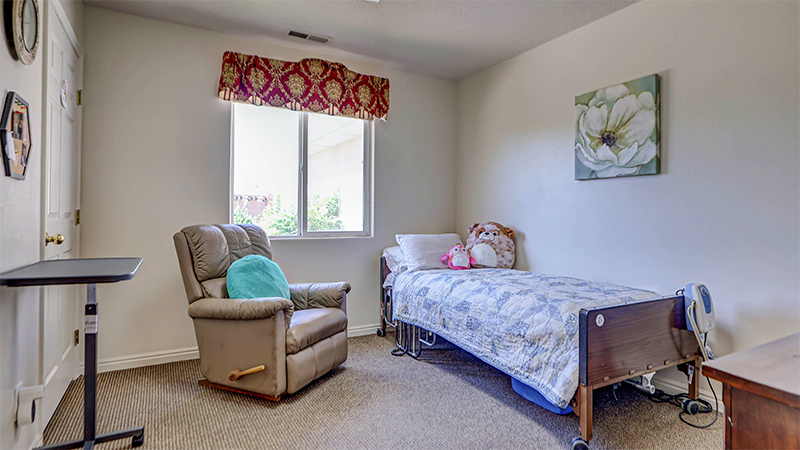

Quality respite programs mirror the rhythms of long-term residents. The room ought to feel lived-in, not like a spare bed by the nurse's station. Consumption must gather the very same personal details as long-term admissions, including routines, sets off, and preferred activities. Good programs send a short daily update to the household, not since they must, but since it minimizes stress and anxiety and prevents "respite regret." An image of Mom at the piano, however easy, can alter a household's entire experience.
At home, respite can arrive through adult day services, at home assistants, or over night companions. The secret is consistency. A rotating cast of strangers weakens trust. Even four hours two times a week with the exact same person can reset a caregiver's tension levels and enhance care quality. Financing varies. Some long-term care insurance coverage plans cover respite, and particular state programs provide coupons. Ask early, since waiting lists are common.
The economics and principles of choice
Money shadows almost every choice in senior care. Assisted living costs often vary from modest to eye-watering, depending upon geography and level of assistance. Memory care systems generally add a premium. Home care offers versatility but can end up being costly when hours escalate. There is no single right answer. The ethical obstacle is aligning resources with goals while acknowledging limits.
I counsel households to develop a sensible budget plan and to revisit it quarterly. Requirements alter. If a fall lowers movement, expenses may surge briefly, then stabilize. If memory care ends up being required, selling a home might make sense, and timing matters to record market price. Be honest with facilities about budget restraints. Some will deal with step-wise assistance, pausing non-essential services to consist of expenses without endangering safety.
Medicaid and veterans advantages can bridge spaces for qualified people, however the application process can be labyrinthine. A social worker or elder law lawyer typically spends for themselves by preventing pricey errors. Power of lawyer documents should remain in location before they are required. I have seen households invest months trying to help a loved one, just to be blocked due to the fact that documents lagged. It is not romantic, however it is profoundly thoughtful to handle these legalities early.
Measuring what matters
Metrics in elderly care often concentrate on the measurable: falls each month, weight changes, health center readmissions. Those matter, and we ought to view them. However the lived experience shows up in smaller signals. Does the resident participate in activities, or have they retreated? Are meals largely consumed? Are showers tolerated without distress? Are nurse calls ending up being more frequent in the evening? Patterns inform stories.
I like to add one qualitative check: a month-to-month five-minute huddle where personnel share one thing that made a resident smile and one obstacle they experienced. That basic practice builds a culture of observation and care. Families can embrace a similar habit. Keep a quick journal of sees. If you see a progressive shift in gait, mood, or appetite, bring it to the care group. Little interventions early beat remarkable reactions later.
Working with the care team
No matter the setting, strong relationships between families and staff improve outcomes. Presume great intent and be specific in your requests. "Mom appears withdrawn after lunch. Could we attempt seating her near the window and adding a protein treat at 2 p.m.?" offers the group something to do. Deal context for behaviors. If Dad gets irritable at 5 p.m., that may be sundowning, and a brief walk or peaceful music might help.
Staff value gratitude. A handwritten note naming a particular action brings weight. It likewise makes it much easier to raise concerns later on. Schedule care strategy meetings, and bring sensible goals. "Walk to the dining-room separately three times today" is concrete and achievable. If a facility can not fulfill a specific requirement, ask what they can do, not just what they cannot.
Trade-offs and edge cases
Care plans deal with compromises. A resident with innovative cardiac arrest may want salted foods that comfort him, even as sodium aggravates fluid retention. Blanket bans often backfire. I choose negotiated compromises: smaller sized parts of favorites, paired with fluid tracking and weight checks. With memory care, GPS-enabled wearables respect safety while keeping the liberty to walk. Still, some elders decline devices. Then we work on ecological strategies, personnel cueing, and neighborly watchfulness.
Sexuality and intimacy in senior living raise genuine tensions. Two consenting adults with mild cognitive disability may seek companionship. Policies need nuance. Capability assessments should be embellished, not blanket bans based upon diagnosis alone. Personal privacy should be secured while vulnerabilities are monitored. Pretending these requirements do not exist undermines self-respect and strains trust.
Another edge case is alcohol use. A nighttime glass of red wine for someone on sedating medications can be risky. Straight-out prohibition can sustain dispute and secret drinking. A middle path may consist of alcohol-free options that imitate routine, along with clear education about dangers. If a resident chooses to consume, documenting the decision and monitoring closely are much better than policing in the shadows.
Building a home, not a holding pattern
Whether in assisted living, memory care, or at home with periodic respite care, the objective is to build a home, not a holding pattern. Houses consist of routines, peculiarities, and comfort products. They also adjust as requirements change. Bring the pictures, the inexpensive alarm clock with the loud tick, the used quilt. Ask the hair stylist to visit the facility, or set up a corner for hobbies. One guy I knew had actually fished all his life. We developed a little tackle station with hooks removed and lines cut short for security. He connected knots for hours, calmer and prouder than he had been in months.
Social connection underpins health. Motivate gos to, but set visitors up for success with quick, structured time and hints about what the elder delights in. Ten minutes checking out preferred poems beats an hour of stretched conversation. Animals can be effective. A calm cat or a visiting treatment dog will stimulate stories and smiles that no therapy worksheet can match.
Technology has a role when picked thoroughly. Video calls bridge distances, but only if somebody helps with the setup and stays close throughout the discussion. Motion-sensing lights, clever speakers for music, and tablet dispensers that sound friendly rather than scolding can assist. Prevent tech that includes anxiety or feels like security. The test is basic: does it make life feel more secure and richer without making the person feel enjoyed or managed?
A useful beginning point for families
- Clarify objectives and borders: What matters most to your loved one? Security at all costs, or independence with specified dangers? Compose it down and share it with the care team. Assemble documents: Healthcare proxy, power of lawyer, medication list, allergic reactions, emergency situation contacts. Keep copies in a folder and on your phone. Build the lineup: Main clinician, pharmacist, center nurse, 2 reputable family contacts, and one backup caregiver for respite. Names and direct lines, not simply primary numbers. Personalize the environment: Images, familiar blankets, labeled drawers, favorite snacks, and music playlists. Little, specific conveniences go farther than redecorating. Schedule respite early: Put it on the calendar before fatigue sets in. Treat it as maintenance, not failure.
The heart of the work
Safety, self-respect, and empathy are not different projects. They enhance each other when practiced well. A safe environment supports dignity by enabling someone to move freely without worry. Dignity invites cooperation, that makes safety protocols much easier to follow. Empathy oils the gears when strategies meet the messiness of real life.
The finest days in senior care are often common. An early morning where medications go down without a cough, where the shower feels warm and unhurried, where coffee is served simply the method she likes it. A kid visits, his mother acknowledges his laugh even if she can not discover his name, and they look out the window at the sky for a long, quiet minute. These minutes are not extra. They are the point.
If you are choosing between assisted living or more specialized memory care, or managing home regimens with intermittent respite care, take heart. The work is hard, and you do not have to do it alone. Develop your group, practice small, considerate routines, and adjust as you go. Senior living done well is just living, with supports that fade into the background while the person stays in focus. That is what safety, self-respect, and empathy make possible.
BeeHive Homes of St George Snow Canyon provides assisted living care
BeeHive Homes of St George Snow Canyon provides memory care services
BeeHive Homes of St George Snow Canyon provides respite care services
BeeHive Homes of St George Snow Canyon offers 24-hour support from professional caregivers
BeeHive Homes of St George Snow Canyon offers private bedrooms with private bathrooms
BeeHive Homes of St George Snow Canyon provides medication monitoring and documentation
BeeHive Homes of St George Snow Canyon serves dietitian-approved meals
BeeHive Homes of St George Snow Canyon provides housekeeping services
BeeHive Homes of St George Snow Canyon provides laundry services
BeeHive Homes of St George Snow Canyon offers community dining and social engagement activities
BeeHive Homes of St George Snow Canyon features life enrichment activities
BeeHive Homes of St George Snow Canyon supports personal care assistance during meals and daily routines
BeeHive Homes of St George Snow Canyon promotes frequent physical and mental exercise opportunities
BeeHive Homes of St George Snow Canyon provides a home-like residential enviroMOent
BeeHive Homes of St George Snow Canyon creates customized care plans as residents’ needs change
BeeHive Homes of St George Snow Canyon assesses individual resident care needs
BeeHive Homes of St George Snow Canyon accepts private pay and long-term care insurance
BeeHive Homes of St George Snow Canyon assists qualified veterans with Aid and Attendance benefits
BeeHive Homes of St George Snow Canyon encourages meaningful resident-to-staff relationships
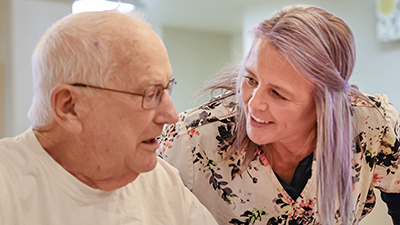
BeeHive Homes of St George Snow Canyon delivers compassionate, attentive senior care focused on dignity and comfort
BeeHive Homes of St George Snow Canyon has a phone number of (435) 525-2183
BeeHive Homes of St George Snow Canyon has an address of 1542 W 1170 N, St. George, UT 84770
BeeHive Homes of St George Snow Canyon has a website https://beehivehomes.com/locations/st-george-snow-canyon/
BeeHive Homes of St George Snow Canyon has Google Maps listing https://maps.app.goo.gl/uJrsa7GsE5G5yu3M6
BeeHive Homes of St George Snow Canyon has Facebook page https://www.facebook.com/Beehivehomessnowcanyon/
BeeHive Homes of St George Snow Canyon won Top Assisted Living Homes 2025
BeeHive Homes of St George Snow Canyon earned Best Customer Service Award 2024
BeeHive Homes of St George Snow Canyon placed 1st for Senior Living Communities 2025
People Also Ask about BeeHive Homes of St George Snow Canyon
How much does assisted living cost at BeeHive Homes of St. George, and what is included?
At BeeHive Homes of St. George – Snow Canyon, assisted living rates begin at $4,400 per month. Our Memory Care home offers shared rooms at $4,500 and private rooms at $5,000. All pricing is all-inclusive, covering home-cooked meals, snacks, utilities, DirecTV, medication management, biannual nursing assessments, and daily personal care. Families are only responsible for pharmacy bills, incontinence supplies, personal snacks or sodas, and transportation to medical appointments if needed.
Can residents stay in BeeHive Homes of St George Snow Canyon until the end of their life?
Yes. Many residents remain with us through the end of life, supported by local home health and hospice providers. While we are not a skilled nursing facility, our caregivers work closely with hospice to ensure each resident receives comfort, dignity, and compassionate care. Our goal is for residents to remain in the familiar surroundings of our Snow Canyon or Memory Care home, surrounded by staff and friends who have become family.
Does BeeHive Homes of St George Snow Canyon have a nurse on staff?
Our homes do not employ a full-time nurse on-site, but each has access to a consulting nurse who is available around the clock. Should additional medical care be needed, a physician may order home health or hospice services directly into our homes. This approach allows us to provide personalized support while ensuring residents always have access to medical expertise.
Do you accept Medicaid or state-funded programs?
Yes. BeeHive Homes of St. George participates in Utah’s New Choices Waiver Program and accepts the Aging Waiver for respite care. Both require prior authorization, and we are happy to guide families through the process.
Do we have couple’s rooms available?
Yes. Couples are welcome in our larger suites, which feature private full baths. This allows spouses to remain together while still receiving the daily support and care they need.
Where is BeeHive Homes of St George Snow Canyon located?
BeeHive Homes of St George Snow Canyon is conveniently located at 1542 W 1170 N, St. George, UT 84770. You can easily find directions on Google Maps or call at (435) 525-2183 Monday through Sunday 9:00am to 5:00pm
How can I contact BeeHive Homes of St George Snow Canyon?
You can contact BeeHive Homes of St George Snow Canyon by phone at: (435) 525-2183, visit their website at https://beehivehomes.com/locations/st-george-snow-canyon, or connect on social media via Facebook
Residents may take a trip to the St. George Dinosaur Discovery Site at Johnson Farm The Dinosaur Discovery Site offers engaging exhibits that create a stimulating yet manageable museum experience for assisted living, memory care, senior care, elderly care, and respite care residents.